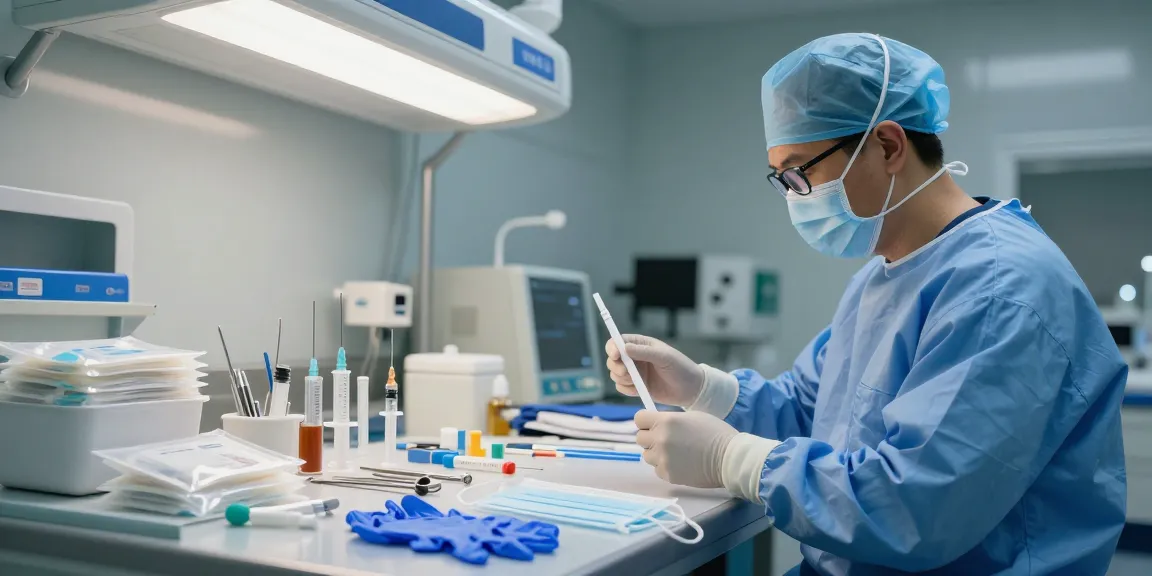
The Evolution of Disposable Medical Devices
Disposable medical devices have undergone a remarkable transformation since their inception, reshaping the healthcare landscape significantly. These devices, designed for single-use, help mitigate risks associated with infection, reduce the burden of sterilization, and enhance overall patient safety. As we delve into the historical evolution of these devices, we will explore their origins, pivotal innovations, and the regulatory frameworks that have shaped their journey. When exploring options, disposable medical devices provide extensive insights into the technologies that have emerged over the years.
1. Historical Overview of Disposable Medical Devices
The concept of disposable medical devices dates back to the early 20th century, although early iterations were far from the sophisticated products we see today. Initial disposable products were rudimentary and mainly focused on cleanliness rather than performance. The introduction of plastic in the 1950s revolutionized the industry, paving the way for a plethora of disposable options, such as syringes and catheters, which are now ubiquitous in hospitals and clinics.
By the 1980s, advancements in materials science led to the development of more reliable and safer disposable devices. Innovations like safety needles and single-use surgical instruments were introduced, significantly reducing the risk of cross-contamination and needle-stick injuries. The push for cost-effective solutions in healthcare further accelerated the adoption of disposable products.
2. Key Innovations in the Industry
Over the decades, various innovations have emerged, significantly enhancing the functionality and safety of disposable medical devices. Notable advancements include:
- Smart technology integration: Modern disposable devices often incorporate sensors and connectivity features, allowing for real-time monitoring and data collection.
- Improved materials: The use of biocompatible and biodegradable materials is on the rise, offering a more sustainable approach to disposable medical devices.
- Personalized devices: Customization in shape and size to fit specific patient needs has become more feasible, improving the effectiveness of treatments.
These innovations not only cater to clinical needs but also address the growing concern for patient comfort and environmental sustainability.
3. Regulatory Changes Influencing Design
Regulatory bodies such as the FDA in the United States and the EMA in Europe play a critical role in overseeing the development and market entry of disposable medical devices. Over the years, there have been significant regulatory changes aimed at ensuring safety and efficacy. New guidelines often emphasize the need for robust testing and clinical trials, particularly for devices that incorporate innovative technologies.
As regulations evolve, manufacturers must adapt to comply with increased scrutiny regarding materials, manufacturing processes, and post-market surveillance. This adaptability is essential for maintaining market competitiveness while ensuring patient safety.
Benefits of Using Disposable Medical Devices
The adoption of disposable medical devices in healthcare settings brings about numerous advantages that improve operational efficiency and enhance patient care. Understanding these benefits is key for healthcare providers seeking to optimize their clinical practices.
1. Enhancing Infection Control and Safety
One of the most significant advantages of disposable medical devices is their potential to improve infection control. By using single-use items, healthcare providers can drastically reduce the risk of healthcare-associated infections (HAIs). For instance, disposable syringes prevent the risk of cross-contamination between patients, a critical factor in maintaining a safe healthcare environment.
Furthermore, products like single-use surgical gowns and drapes form a barrier that minimizes the risk of exposing surgical wounds to pathogens, thus enhancing the overall safety and quality of care.
2. Cost-Effectiveness for Healthcare Facilities
Although the upfront costs of disposable medical devices may be higher than their reusable counterparts, the overall cost-effectiveness becomes apparent when considering the long-term benefits. Facilities save significantly on costs associated with sterilization and maintenance of reusable devices. Additionally, disposable devices eliminate the need for extensive inventory management of sterilized items, which can further reduce operational costs.
Moreover, the ability to avoid costly post-operative infections translates to substantial savings in terms of patient readmissions and extended hospital stays.
3. Streamlining Surgical and Clinical Procedures
The efficiency offered by disposable medical devices plays a crucial role in streamlining surgical and clinical procedures. These devices allow for quick setup times and reduce the time required for cleaning and sterilization processes between procedures. As a result, healthcare professionals can focus more on patient care rather than the logistical challenges associated with reusable devices.
For example, during emergency situations, having access to pre-packaged, sterile, and ready-to-use disposable equipment can be lifesaving, allowing healthcare teams to act swiftly and effectively.
Challenges in the Disposable Medical Device Market
Despite the clear advantages, the disposable medical device market faces several challenges that need addressing to ensure continued growth and innovation in the industry.
1. Environmental Concerns and Waste Management
The increasing use of disposable medical devices raises significant environmental concerns, particularly regarding waste management. With millions of devices discarded annually, the healthcare industry must confront the environmental impact of plastic waste. Efforts to transition to biodegradable materials and improve recycling processes are gaining traction, but significant hurdles remain in terms of infrastructure and regulatory support for these initiatives.
Consequently, healthcare providers and manufacturers are encouraged to consider eco-friendly alternatives and develop sustainable practices that minimize waste.
2. Supply Chain Issues and Material Shortages
The COVID-19 pandemic exposed the vulnerabilities in supply chains worldwide, significantly impacting the availability of raw materials necessary for manufacturing disposable medical devices. Fluctuating demand and unexpected disruptions can lead to shortages, which pose a threat to patient care. Companies must develop robust supply chain strategies that include diversification of suppliers and investment in local manufacturing to mitigate these risks.
3. Regulatory Hurdles and Compliance Risks
Navigating the complex landscape of regulatory requirements can be daunting for manufacturers of disposable medical devices. Compliance with ongoing changes in regulations requires continuous investment in quality assurance systems, testing, and documentation. Failure to comply can result in costly repercussions, including recalls and reputational damage.
Manufacturers must stay informed about the evolving regulatory landscape to ensure their products meet safety and efficacy standards while adapting to the market’s needs.
Future Trends in Disposable Medical Devices (2026 and Beyond)
As we look toward the future, several trends are anticipated to shape the disposable medical device market, driven by technological advancements and shifts in consumer expectations.
1. Biodegradable Materials and Sustainable Practices
The trend toward sustainability is likely to gain momentum, with increased demand for biodegradable and environmentally friendly materials. Innovations in bio-based plastics and composites are emerging, which could significantly reduce the environmental footprint of disposable medical devices. Manufacturers will be challenged to balance performance and sustainability while meeting consumer and regulatory expectations.
2. Advances in Technology and Smart Devices
The integration of smart technologies within disposable medical devices is set to transform care delivery. Devices equipped with IoT capabilities will allow for real-time data tracking, remote patient monitoring, and enhanced decision making. These advancements can lead to improved patient outcomes and more personalized care approaches, making technology adoption essential for healthcare providers.
3. Global Market Growth and Emerging Markets
The global disposable medical device market is expected to witness significant growth, particularly in emerging markets where healthcare access is expanding rapidly. Increased investment in healthcare infrastructure and rising awareness of infection control will drive demand for these products. Manufacturers that can navigate these markets effectively will have opportunities to establish a strong foothold and influence local healthcare practices.
Conclusion and Recommendations
As the disposable medical device market continues to evolve, it is crucial for healthcare providers and manufacturers to consider various factors when adopting and producing these devices. By understanding the benefits, challenges, and future trends, stakeholders can make informed decisions that bolster patient care and operational efficiency.
1. Evaluating Your Options: What to Consider
When selecting disposable medical devices, healthcare providers should evaluate factors such as usability, safety, regulatory compliance, and potential environmental impact. Engaging stakeholders in the decision-making process can ensure the chosen products align with both clinical needs and sustainability goals.
2. Leading Brands and Their Offerings
Staying updated on leading brands in the disposable medical device space can offer insights into product innovations and industry best practices. Companies that prioritize quality, safety, and sustainable practices are likely to lead the way in market growth.
3. Staying Informed: Resources and Industry News
To navigate the complexities of disposable medical devices, professionals should leverage industry resources, attend conferences, and follow relevant publications. Staying informed about regulatory changes, technological advancements, and market trends is essential for making informed choices in this dynamic landscape.
What are the most popular disposable medical devices?
Popular disposable medical devices include syringes, catheters, surgical gloves, and wound dressings. These items are integral to various medical procedures and contribute significantly to enhancing patient safety.
How can disposable medical devices improve patient care?
By reducing the risk of infections and providing quick access to sterile equipment, disposable medical devices significantly improve patient care outcomes. They also facilitate faster clinical processes, allowing healthcare professionals to focus on delivering effective treatment.
What are the environmental impacts of disposable medical devices?
The disposal of plastic medical devices poses significant environmental challenges, leading to increased waste and pollution. Efforts to transition to more sustainable materials and recycling practices are necessary to mitigate these impacts.
What should manufacturers consider for future trends?
Manufacturers should focus on developing biodegradable materials, incorporating technology for enhanced functionality, and ensuring regulatory compliance to navigate the evolving landscape effectively.
How do regulations affect disposable medical device production?
Regulatory frameworks play a crucial role in shaping the design, testing, and market entry of disposable medical devices. Manufacturers must adhere to stringent guidelines to ensure safety and efficacy, which can impact production processes and costs.